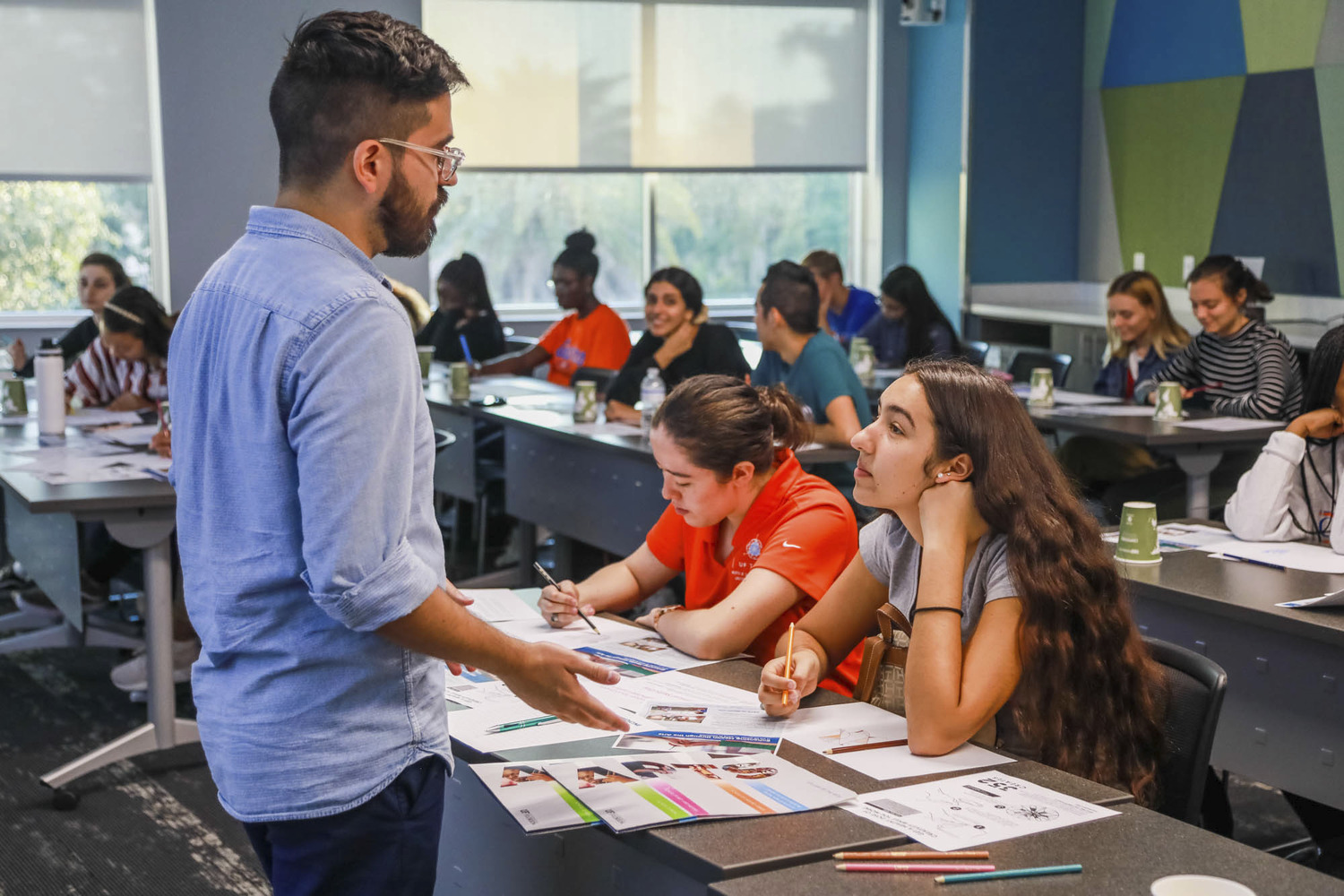
When thinking about a space, we often focus on the visual aspects, but acoustics—how sound behaves in a space—also plays a vital role in shaping our experience. Sound affects comfort, communication, and even how people perceive a space. When acoustics are prioritized early in the design process, you can ensure that your space will sound as good as it looks.
September 17, 2024 — Comments are off for this post.
The Power of Sound: How Acoustics Influence Architectural Design
August 16, 2024 — Comments are off for this post.
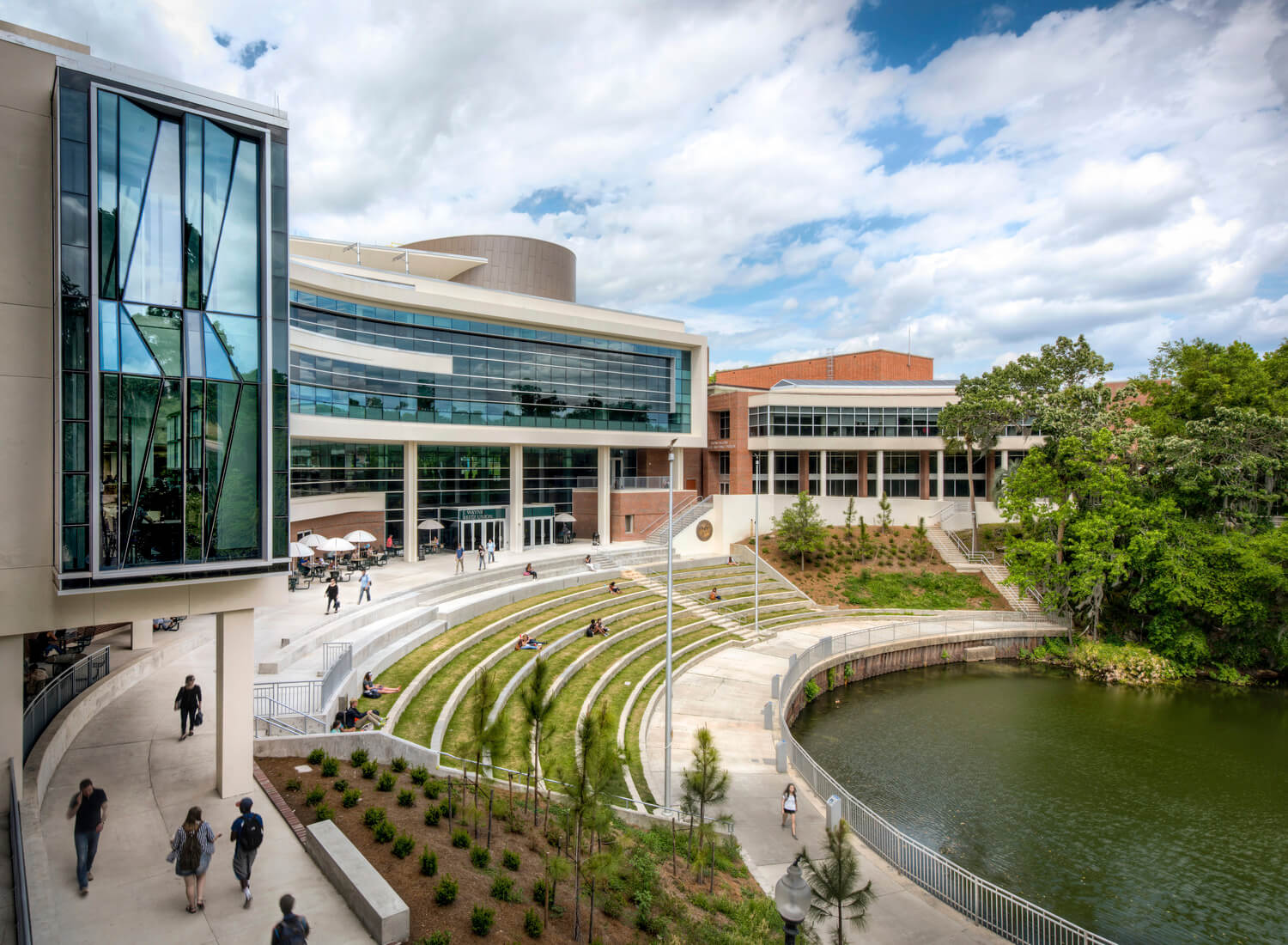
Agile Design for Student Centers: Creating Spaces for Connection and Community
How student center design can support belonging, wayfinding, flexibility, and a stronger campus life experience.
June 27, 2024 — Comments are off for this post.
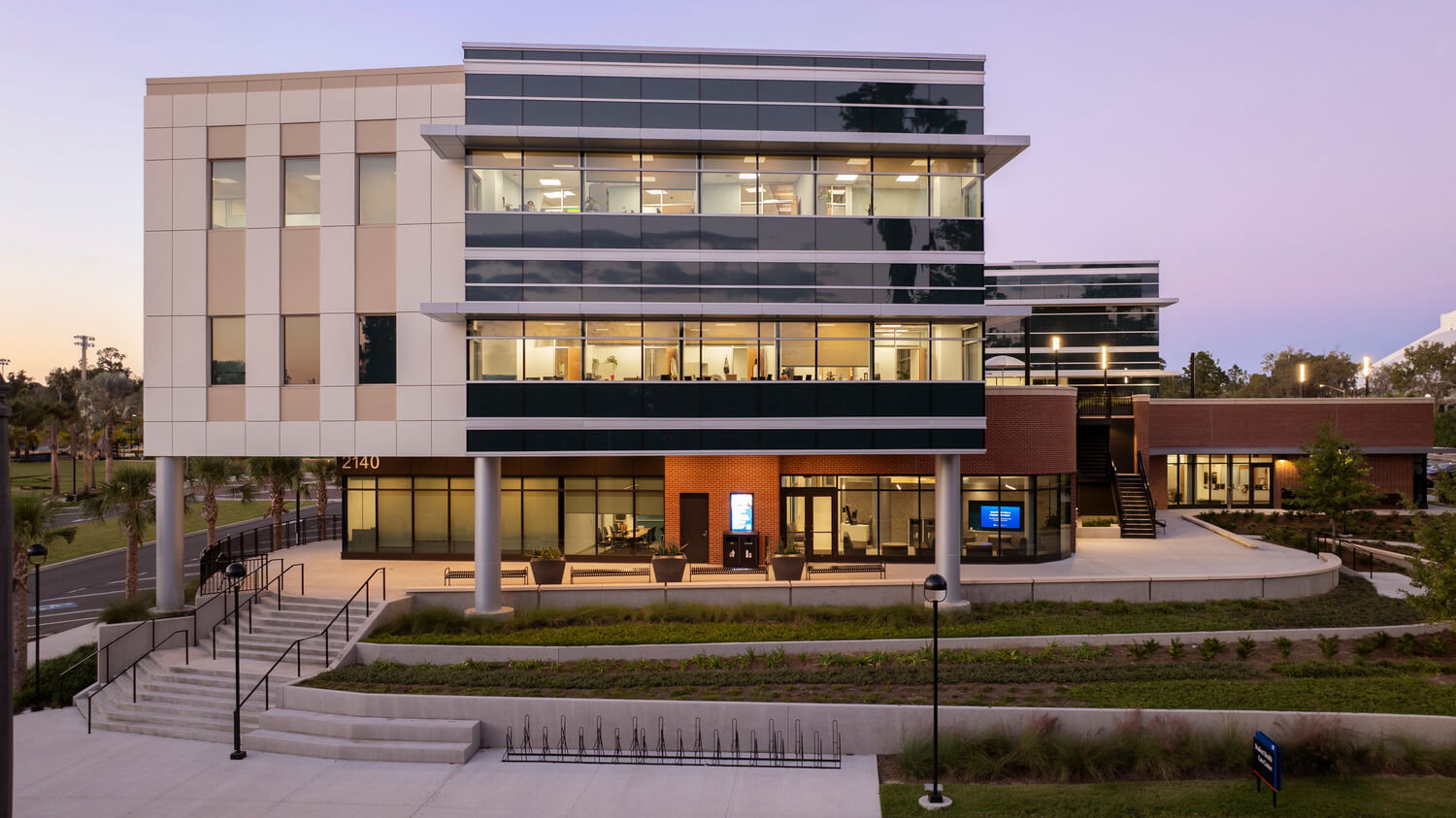
UF Student Healthcare Center: Leading the Way in Student Wellness
The University of Florida Student Healthcare Center delivers cutting-edge healthcare design in the heart of the University of Florida. But it's more than just a fancy building - it symbolizes a shift in focus. For generations, the previous building was known as "the infirmary." UF's vision: to create an environment that promotes student well-being over illness treatment. By focusing on fostering wellness, the 46,000-square-foot facility showcases the power of WELL Certification in guiding design priorities.
May 24, 2024 — Comments are off for this post.
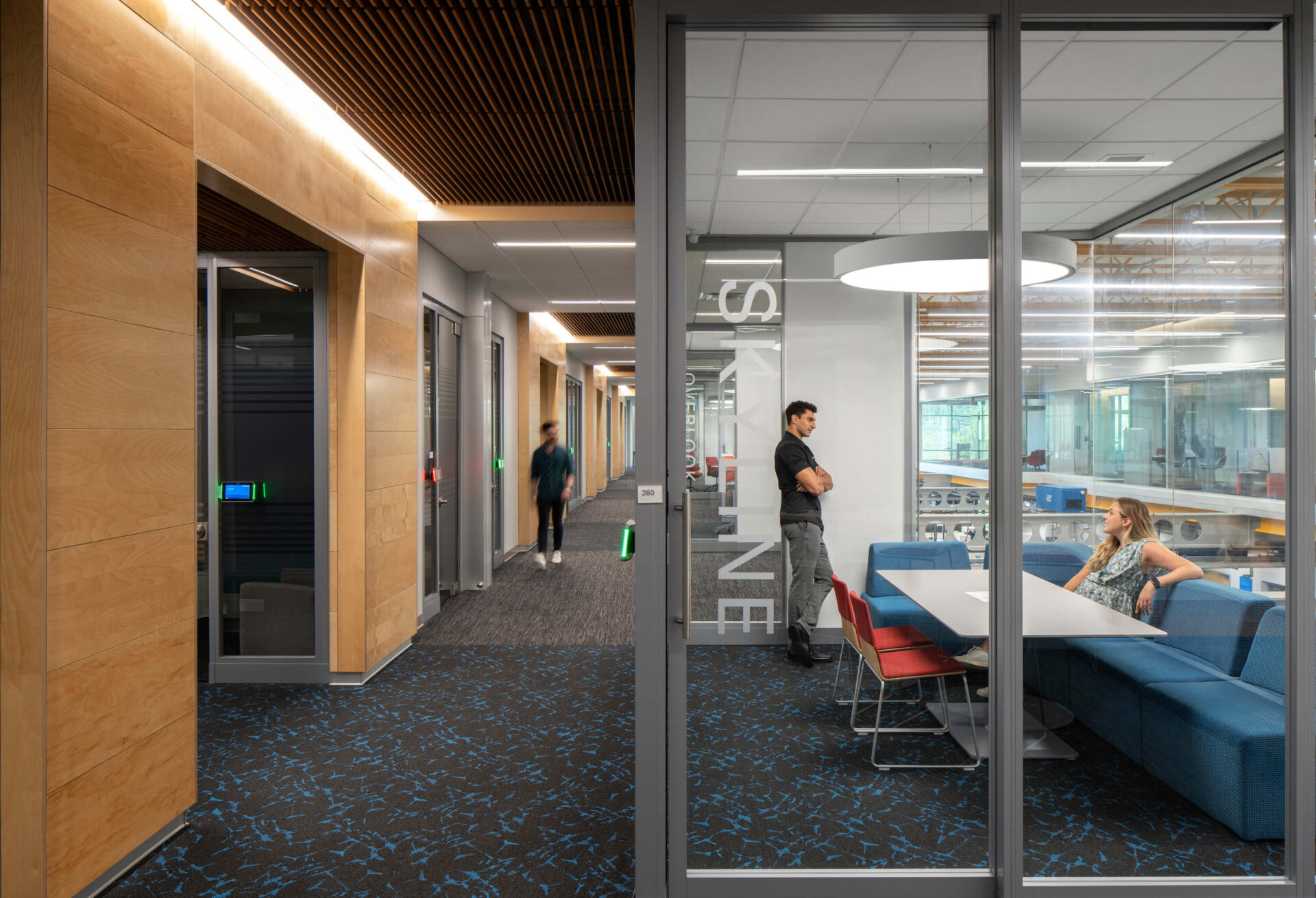
Pioneering the Evolution of Research Facilities
In today's higher education landscape, the approach to designing research space is evolving. Universities are aiming high and striving to secure vital funding. But to succeed long-term, these research spaces must foster flexibility and collaboration. Let's explore the future of research facilities through the lens of our Agile Design philosophy. What can we learn from our recent projects, and what insights have we gained from emerging trends?
April 9, 2024 — Comments are off for this post.
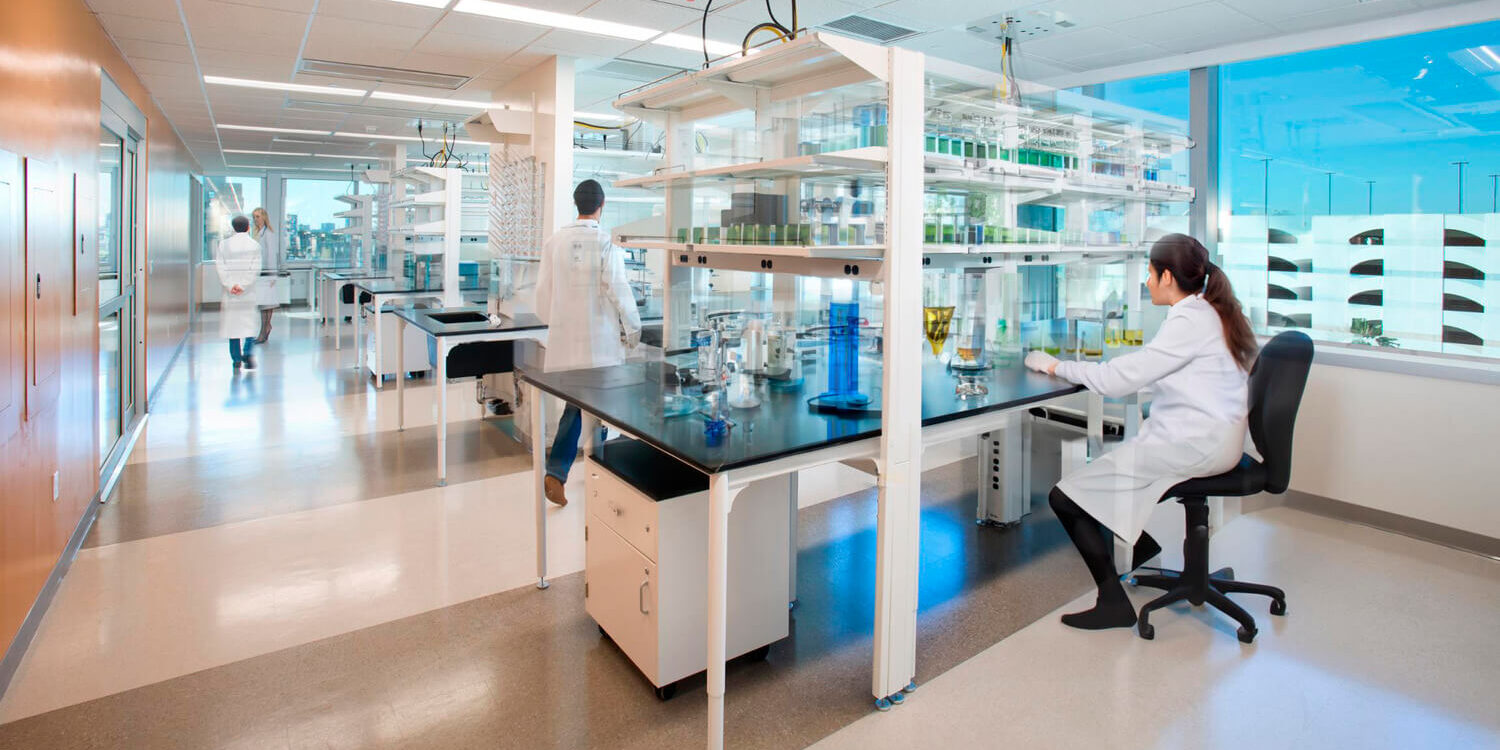
Agile Labs: Transforming Spaces for Innovation
In today's rapidly evolving landscape of scientific and technological advancements, institutions are facing the challenge of adapting to changing research methodologies and collaborative work dynamics. At Walker Architects, we have worked at the forefront of reshaping research environments to meet the demands of these institutions. Through our Agile Design approach, we have revolutionized the way science and technology spaces are conceptualized, designed, and utilized. Here’s what makes The Walker Way different.
March 29, 2024 — Comments are off for this post.
Reimagining IDIQ Contracts: A Shift Towards an Agile Mindset
How Owners Can Get More Value from Continuing Services Design Contracts
IDIQ, task order, and continuing services contracts give owners a powerful way to move facility projects forward with speed, continuity, and trust. When the right design partner is in place, these contracts create a working relationship that can support everything from quick studies and targeted renovations to complex, mission-critical improvements. The best continuing services relationships are built on more than availability. They depend on clear communication, institutional knowledge, thoughtful discovery, and a design team that understands how to turn a task order into a meaningful outcome.
Walker Architects approaches continuing services work with an agile mindset. That means starting with the owner’s goals, asking the right questions early, adapting as needs evolve, and helping each project create value at the right scale. Whether the assignment is small, complex, urgent, or highly visible, the goal is the same: help the owner make confident decisions and move forward with clarity.
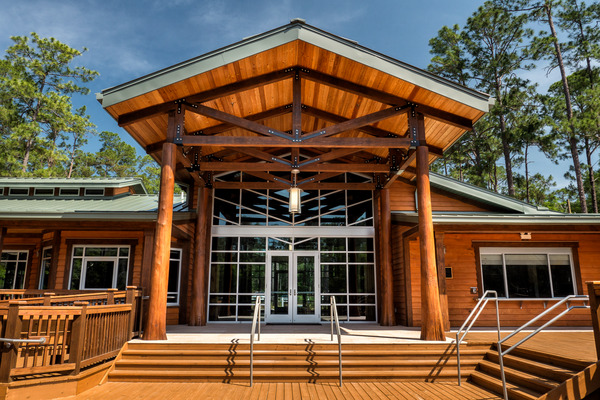
Austin Cary Forest Stern Learning Center
What Are IDIQ, Task Order, and Continuing Services Contracts?
An IDIQ contract, short for Indefinite Delivery, Indefinite Quantity, allows an owner to retain professional services for a range of future projects without defining every scope in advance. These contracts are also commonly called task order contracts or continuing services contracts. They are especially useful for owners who regularly manage facility improvements, repairs, renovations, studies, and smaller capital projects. Rather than starting a full procurement process for every need, the owner can issue task orders to a selected design partner or group of partners. For universities, municipalities, healthcare systems, school districts, and public agencies, this can save time and create continuity across many projects.
Why the Relationship Matters
Continuing services contracts are most valuable when they create a true working relationship between the owner and design partner. Over time, the design team learns how the owner makes decisions, what standards matter, where operational sensitivities exist, and which stakeholders need to be involved early. That institutional knowledge can make each future task order more efficient and more useful.
This kind of relationship also creates trust. When the owner knows the design team will listen carefully, respond quickly, and communicate clearly, even small assignments can move forward with confidence. The size of a task order should not determine the quality of thinking behind it. Small and mid-sized projects can affect students, patients, staff, visitors, operations, safety, accessibility, budgets, and long-term facility performance. A continuing services partner should bring care, curiosity, and good judgment to every assignment.
What Owners Should Look For in an IDIQ Architecture Partner
Owners should look for a continuing services partner who can do more than complete drawings. A strong IDIQ architecture partner should:
- Understand the owner’s mission, standards, and decision-making process
- Ask good questions before jumping to solutions
- Respond quickly without creating unnecessary complexity
- Communicate clearly with stakeholders, consultants, and construction partners
- Bring broad experience across many project types
- Know how to work within limited budgets and active facilities
- Help the owner prioritize what matters most
- Treat every task order as an opportunity to create value
The best continuing services partners become an extension of the owner’s capabilities. They help owners move projects forward while protecting time, budget, and operational continuity.
How an Agile Mindset Improves Task-Order Work
An agile mindset helps design teams focus on the owner’s real needs, adapt to changing conditions, and remove barriers before they become larger problems. For continuing services work, that means starting with discovery. What is the owner trying to accomplish? Who will be affected? What constraints matter most? What decision needs to be made next? What is the simplest path to a successful outcome?
This approach is especially valuable when scopes are evolving, budgets are tight, facilities are occupied, or schedules are compressed. It allows the design team to stay responsive while keeping the project aligned with the owner’s goals.
Project Example: Hitchcock Field and Fork Food Pantry
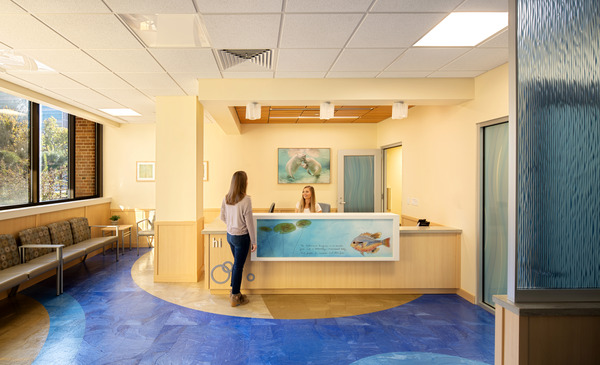
One example of this mindset is the Hitchcock Field and Fork Food Pantry at the University of Florida. Faced with a significant budget constraint, the project team developed a solution that repurposed existing construction. By using existing exterior walls, the project reduced overall costs and directed more of the available budget toward the interior spaces that most affected the student and staff experience. The result was a highly functional and cohesive space that supported the client’s mission while making the most of limited resources.

Field and Fork Pantry at the University of Florida in Gainesville, FL
Project Example: UF Early Childhood Collaboratory at Baby Gator
The UF Early Childhood Collaboratory at Baby Gator required close coordination and schedule discipline to complete a childcare facility renovation in time for the fall semester. That type of project depends on clear communication, organized information, and steady alignment among the owner, design team, consultants, and construction partners.
For continuing services work, speed alone is not enough. The work has to move quickly while still supporting good decisions.
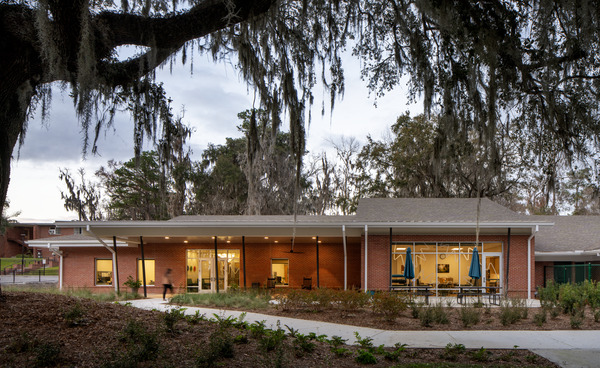
UF Early Childhood Collaboratory at Baby Gator
Walker’s Continuing Services Experience
Walker Architects has served many long-term continuing services and IDIQ clients across education, government, healthcare, and private-sector markets.
These relationships include the University of Florida, Santa Fe College, the University of Central Florida, Georgia Tech, Kennesaw State University, Georgia State University, Alachua County, the City of Gainesville, Marion County, the City of Williston, the City of Alachua, the National Park Service, the Florida Department of Management Services, Levy County, Johnson & Johnson Services, UF Health Shands Teaching Hospital and Clinics, and others.
This experience has reinforced a simple idea: continuing services projects are often where trust is built. When a design partner responds well on small and mid-sized projects, the owner gains confidence that the team understands their priorities, their people, and their way of working.
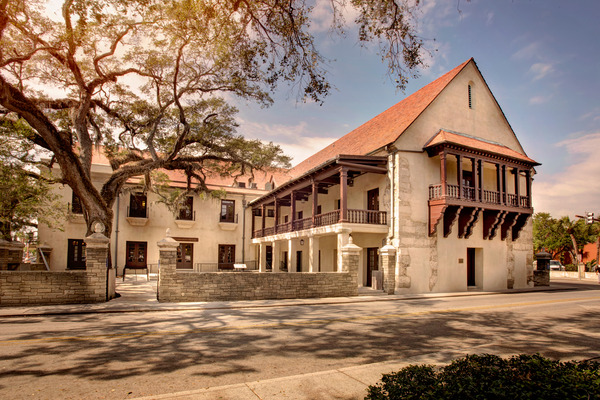
St. Augustine Government House in St. Augustine, FL
Better IDIQ Results Start with Better Questions
IDIQ and continuing services contracts should not be treated as routine assignments. They are opportunities to help owners solve real facility problems, respond to evolving needs, and create value at many scales. The right design partner brings more than technical skill. They bring curiosity, responsiveness, clear communication, and a commitment to making every project matter.
For owners who rely on continuing services contracts, an agile mindset can turn task-order work into a stronger tool for long-term facility planning, operational support, and mission-driven design.
Planning an IDIQ or Continuing Services Project?
Walker Architects helps higher education, healthcare, municipal, technical college, lab, and public-sector clients solve facility challenges through responsive architecture and interior design. Contact us to discuss how an agile continuing services partner can help your organization move projects forward with clarity, care, and purpose.
UF Health Shands Pediatric Congenital Heart Center in Gainesville, FL
Frequently Asked Questions
What is an IDIQ architecture contract?
An IDIQ architecture contract allows an owner to retain architecture or design services for a range of future projects without defining every scope in advance. It is often used by universities, municipalities, healthcare systems, school districts, and public agencies that regularly need facility improvements, renovations, studies, or repairs.
What is the difference between IDIQ, task order, and continuing services?
The terms are often used in similar ways. IDIQ stands for Indefinite Delivery, Indefinite Quantity. Task order refers to the individual assignments issued under that type of contract. Continuing services is a common term for ongoing professional services provided to an owner over time.
Why do owners use continuing services architecture contracts?
Owners use continuing services contracts to save time, create continuity, and respond more quickly to facility needs. These contracts are especially useful when an organization has many small or mid-sized projects that need reliable design support.
What should an owner look for in an IDIQ architecture partner?
Owners should look for a partner who understands their mission, communicates clearly, responds quickly, works well with stakeholders, manages schedules carefully, and brings broad experience across project types. The best IDIQ partners act as an extension of the owner’s team.
How can an agile design mindset improve IDIQ work?
An agile design mindset helps the team focus on the owner’s real problem, adapt to changing conditions, and make decisions efficiently. This is especially helpful for task-order projects with limited budgets, active facilities, evolving scopes, or compressed schedules.
January 10, 2024 — Comments are off for this post.
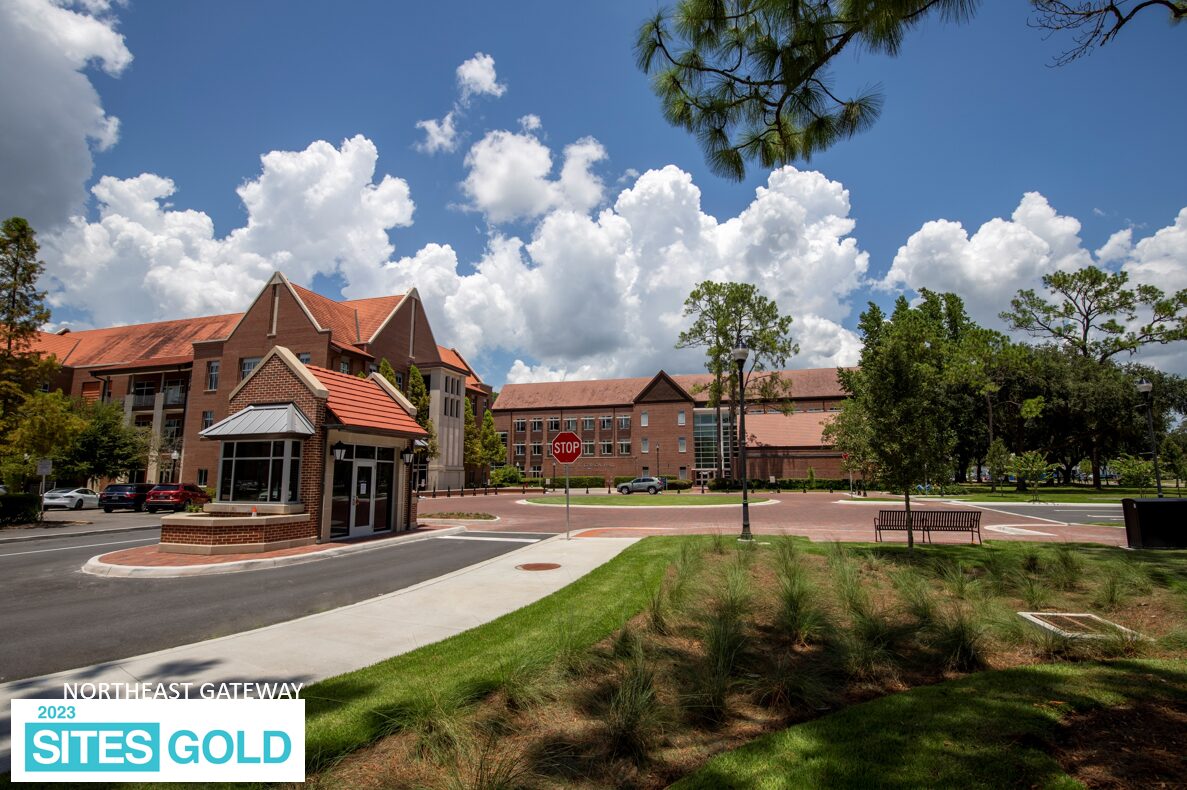
The University of Florida Gateway just received the first SITES Gold Level Certification in the State of Florida!
The Newell Gateway and Northeast Gateway projects achieved a remarkable milestone by receiving the SITES Gold level certification, setting a precedent for the University of Florida and the entire state. Led by GAI Consultants, the entire project team demonstrated an impressive commitment to sustainable landscape design, using the Sustainable SITES Initiative (SITES) as a guiding force.
April 21, 2023 — Comments are off for this post.
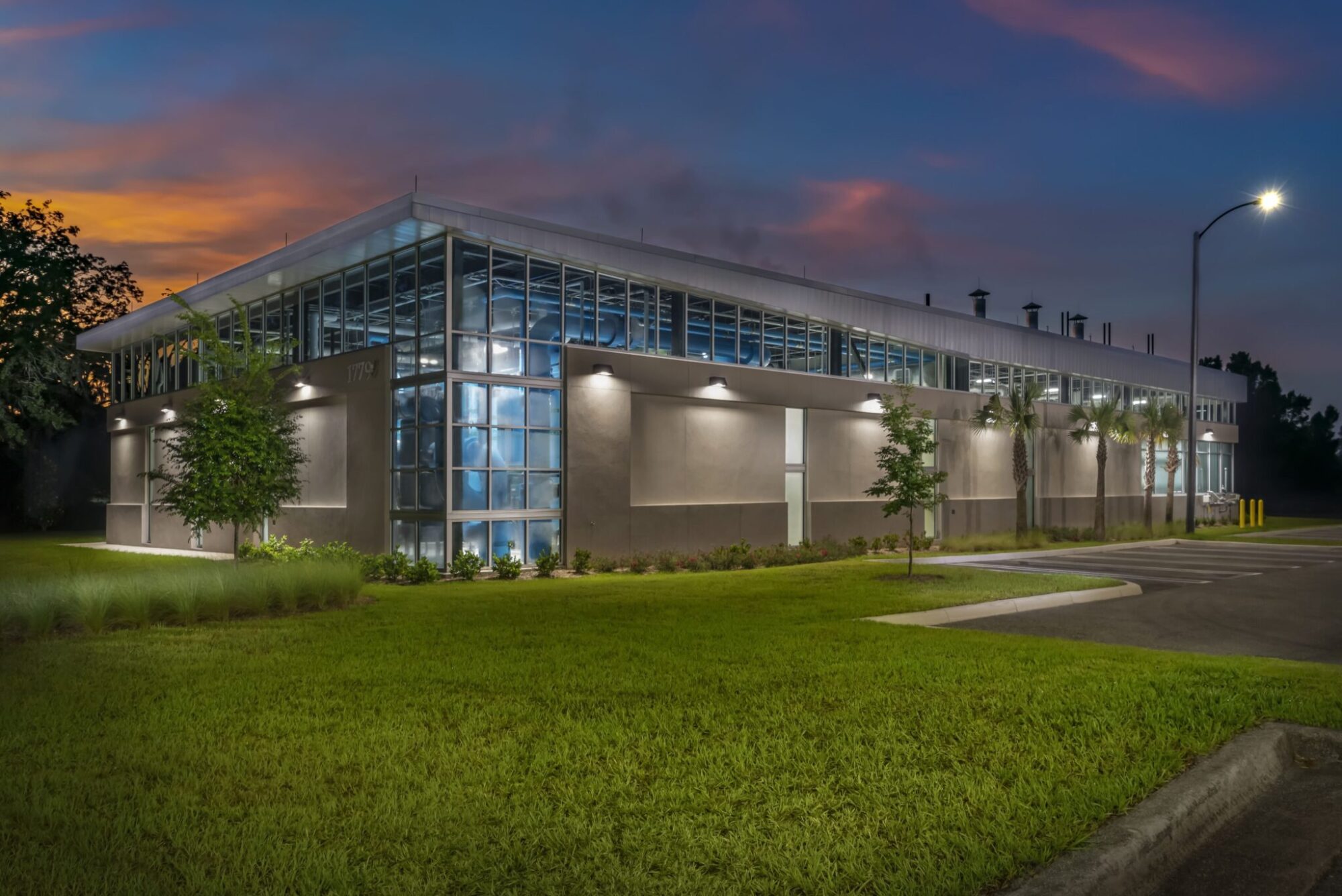
Building for a Better Future: Agile Design & Sustainable Architecture
We are excited to celebrate this Earth Day by sharing our commitment to sustainable design and how it aligns with our focus on people and the planet. Our Agile Design approach emphasizes flexibility, well-being, accessibility, and environmental impact, allowing us to create buildings that can serve multiple uses and remain adaptive over many decades. As we celebrate Earth Day, we’d like to share our enthusiasm toward the importance of sustainable design, our Agile Design approach, and how it all comes together to build a better future for all.
September 22, 2022 — Comments are off for this post.
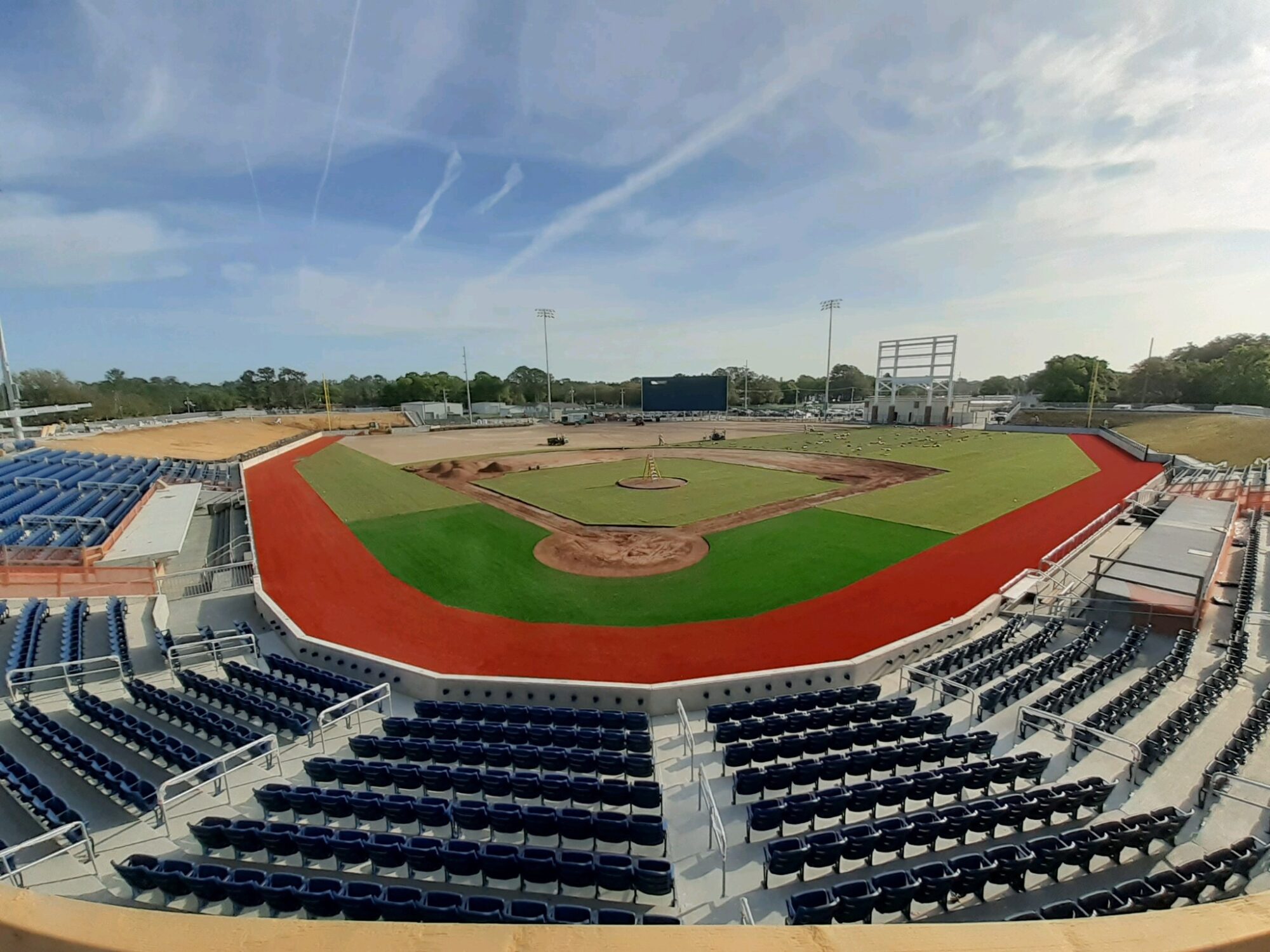
Florida Ballpark is the first of its kind to receive 3 Green Globe certifications
The Condron Family Ballpark (previously known as the Florida Ballpark) has been awarded 3 Green Globes! It is the first premier collegiate stadium in the United States to receive this certification.
Walker Architects is proud to have achieved a JUST label! For us, this label signifies our ongoing commitment as a company that embraces integrity, quality, empathy, passion, collaboration, and passion in all we do.
We were excited to attend NeoCon!
What is NeoCon, you ask? One of our interior designers, Taylor, describes it as “an expo for interior manufacturers of furniture, materials, and finishes. Basically, the fashion week for interior designers.”
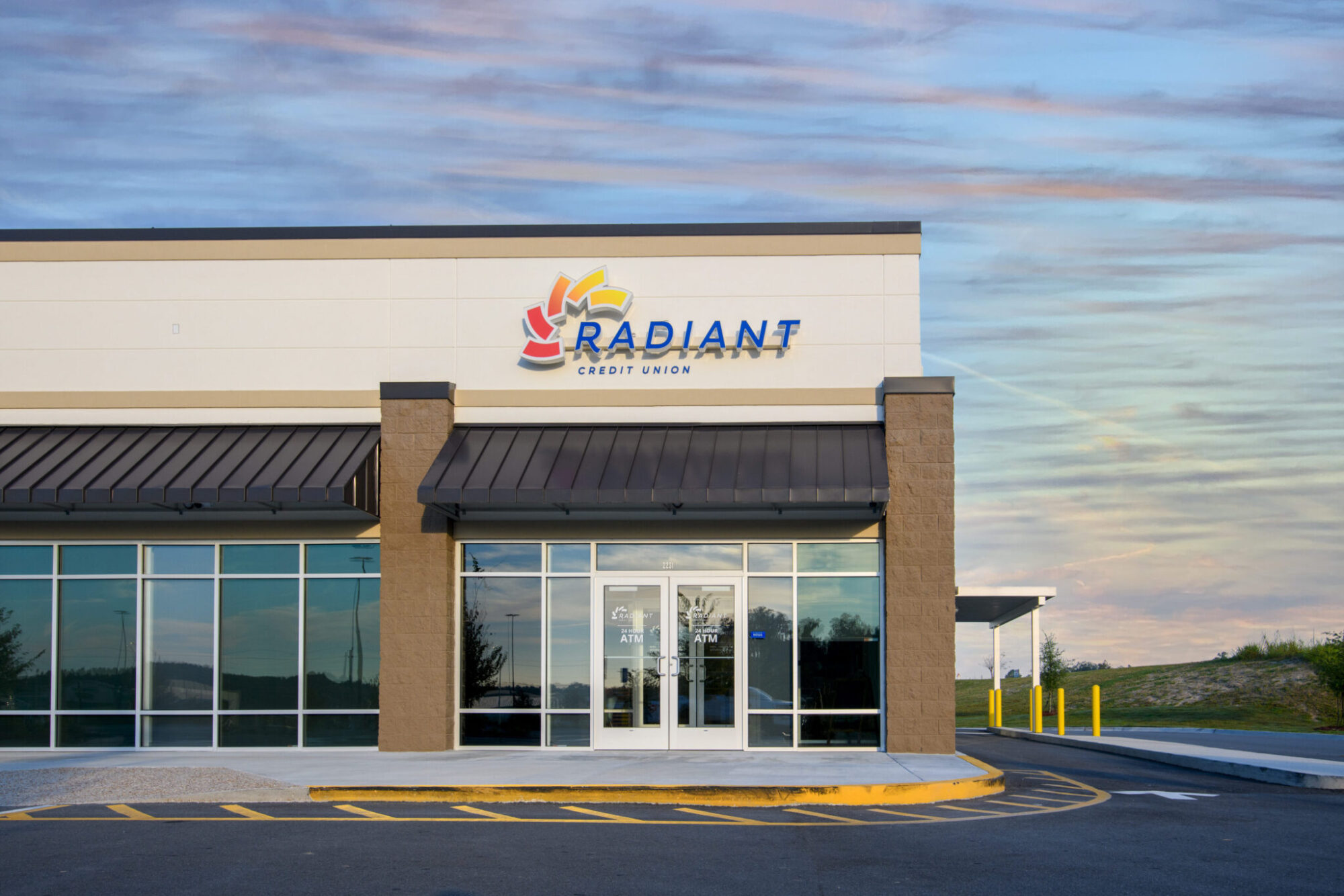
Walker Architects teamed up with Scorpio to update multiple branches of Radiant Credit Union.
Formerly called “SunState Federal Credit Union,” the organization underwent a branding overhaul to better represent their reliable, straightforward service and friendly, youthful approach. Our team was charged with transforming their branches into bright and positive spaces to reflect their fresh new image and community-centric values.

Most people spend up to ninety percent of their lives indoors. With that in mind, we believe that design to promote human wellness is critical.
A building designed for occupant wellness can include features like biophilic elements, ergonomic work areas, healthy building materials, and acoustically sensitive and agile spaces that support healthy choices by the end-user. All of these design elements work together to make us healthier and happier.
We believe in designing people-centered spaces by asking the right questions:
- How can the design encourage a healthy lifestyle?
- How can the space provide for greater occupant comfort and well-being?
- How can the space feel welcoming and inclusive for all?
- How can design connect people with place and nature?
- What materials can support a healthy environment?
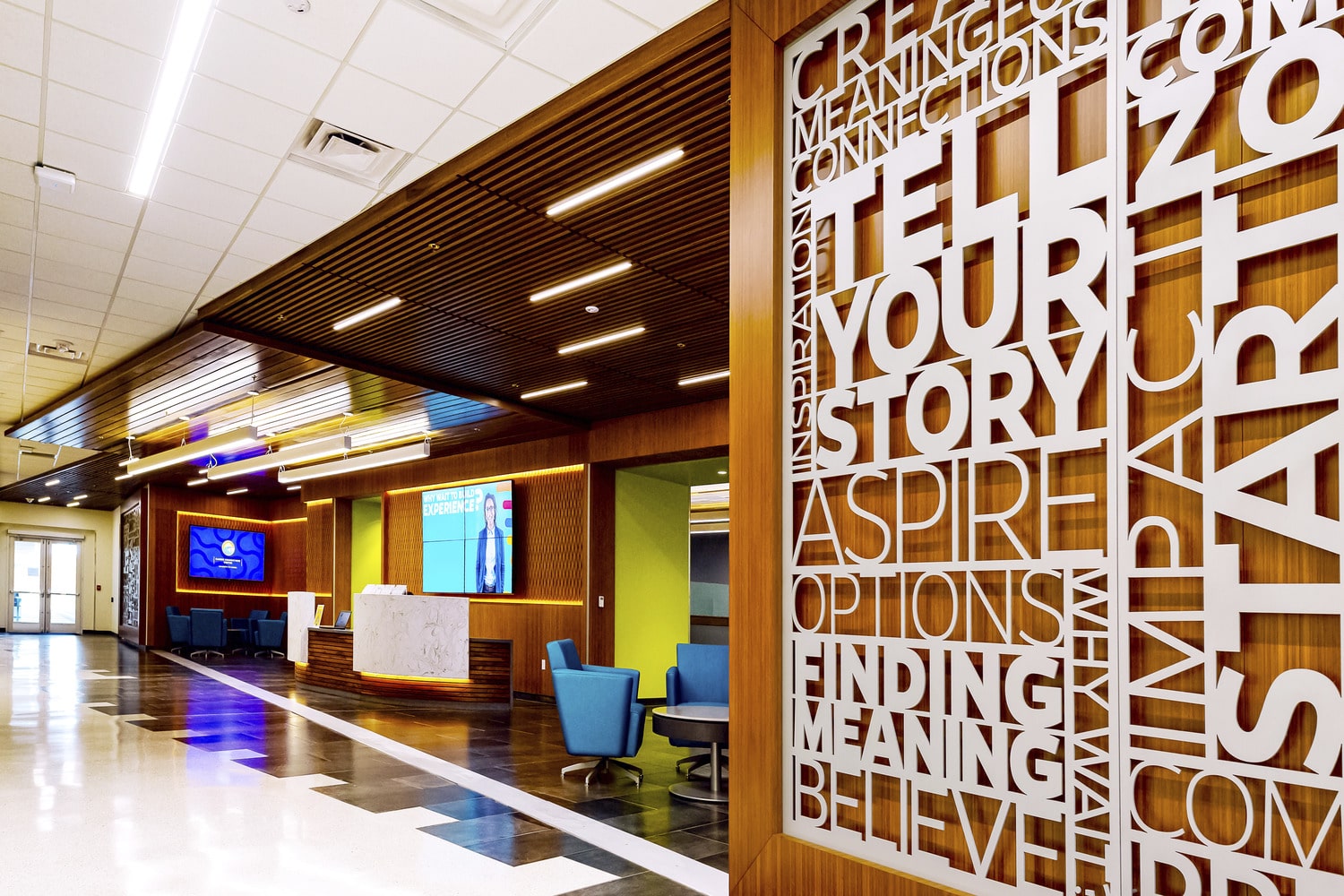
We are a firm who actively listens — and what we’ve heard from our clients is that outdated collegiate spaces are getting in the way of progress. Hundreds of higher education projects over the last decade have taught us that spaces are constantly challenged with evolving needs. The architecture that supported innovation in the classroom of yesterday might stand in the way of progress today. While we can’t anticipate every trend, we can design spaces to be ready to support organizations as they adapt and grow.
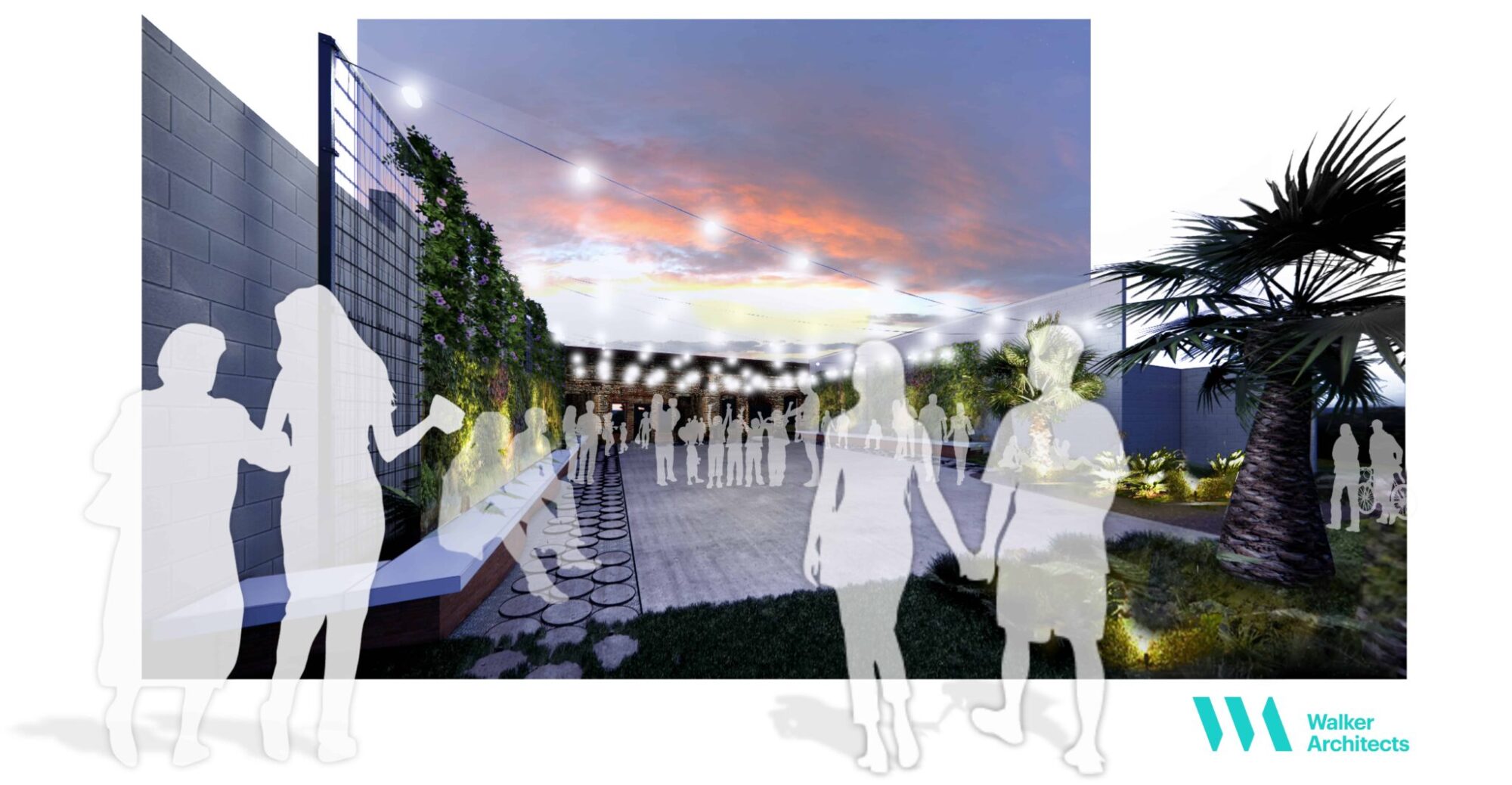
The City of Williston has a vision of renewed purpose in the heart of their historic downtown district. They approached Walker Architects to help with a plan to restore and reopen the building arcade, freshen Main Street storefronts, and introduce a new community space in Parcel O. These projects, in tandem, offer a powerful invigoration effort that could redefine and rejuvenate the fabric of downtown Williston.
Tags: ontheboards