May 19, 2026Comments are off for this post.

Designing Around the Patient: What Neurological Care Facilities Can Learn from the Fixel Institute

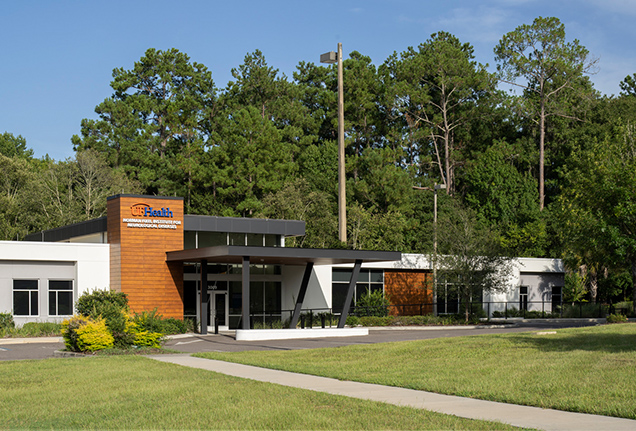
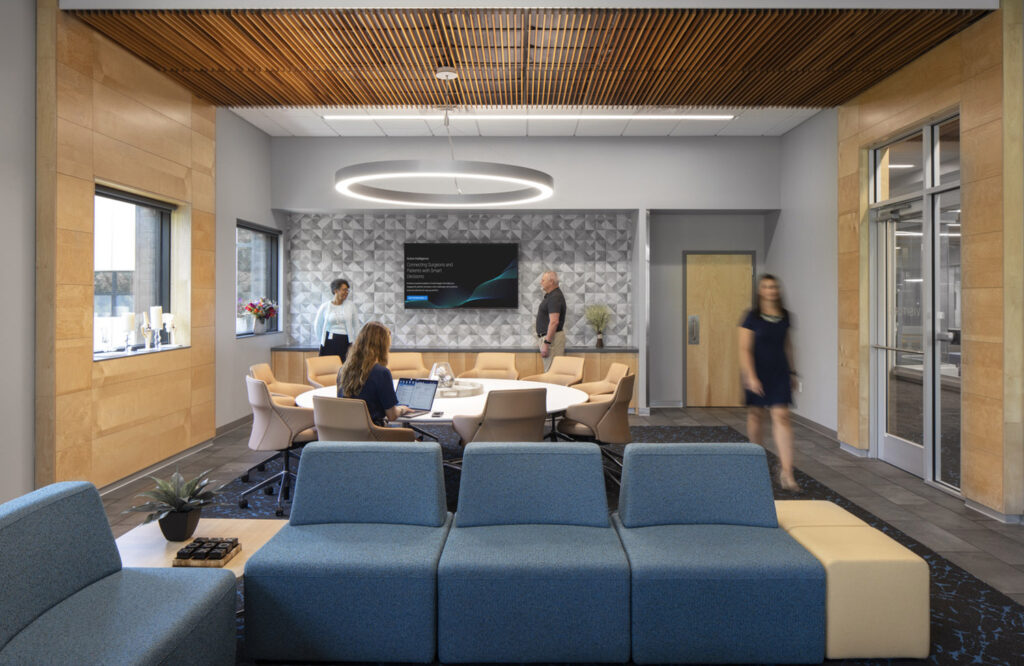
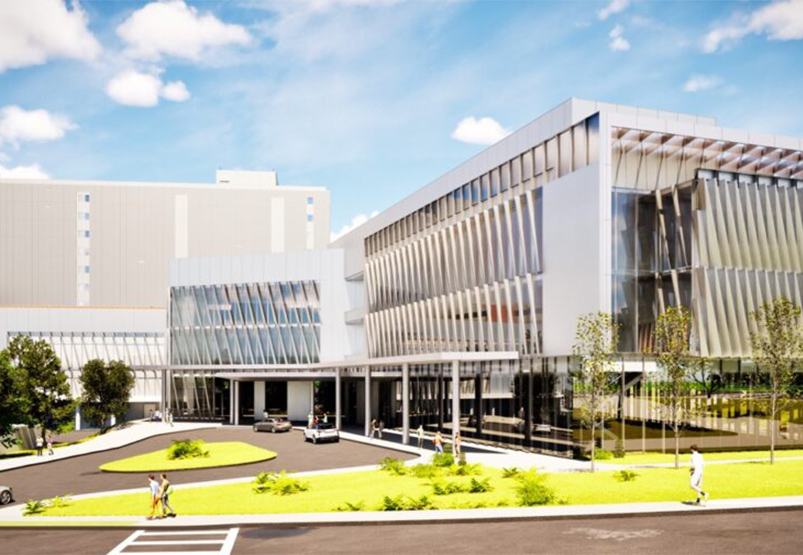
What can neurological care facilities learn from the Norman Fixel Institute? This article explores how patient-centered design, interdisciplinary care, research integration, and adaptable planning can shape better environments for people living with Parkinson’s, ALS, Alzheimer’s, movement disorders, and other neurological conditions.

Read more

March 31, 2026Comments are off for this post.

Transparency Is a Discipline, Not a Tone

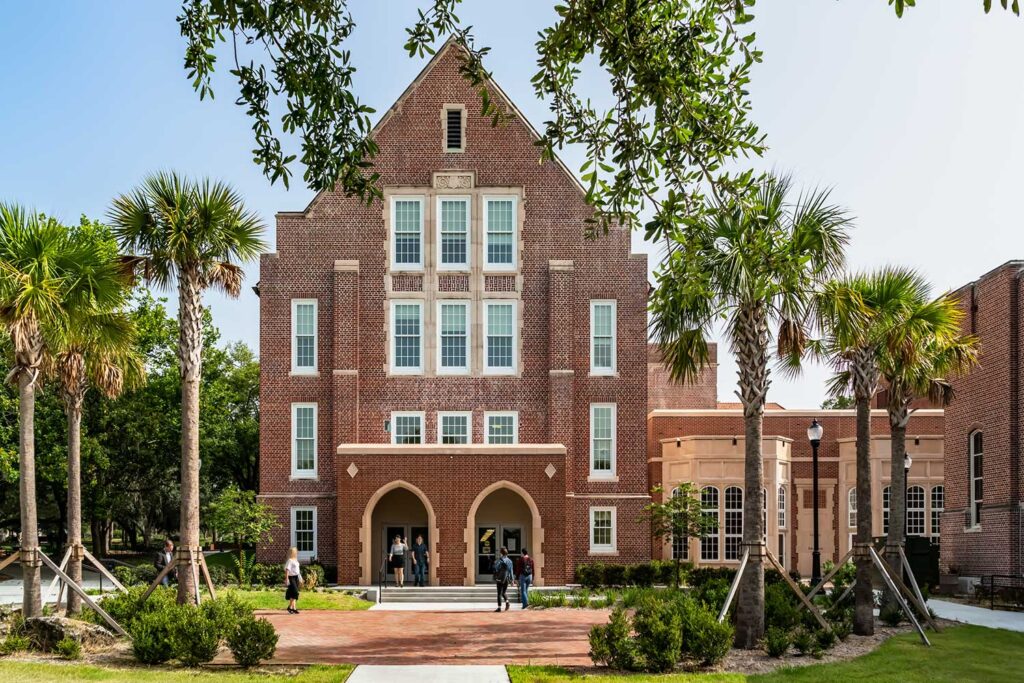
Six RFIs in one day, all on the same issue, usually means something in the project needs a closer look. That happened early in construction on the Norman Hall Rehabilitation, at University of Florida when a series of questions came in about partition dimensions. Each RFI pointed to the same place in the drawings, and answering them individually would have kept everyone busy without necessarily solving the underlying issue. Instead of simply responding one by one, Walker Architects project manager stepped back and asked the construction manager a more useful question: What does the framer actually need to keep moving?

Read more

March 31, 2026Comments are off for this post.

The Power of Early Facilities Involvement in Strategic Decisions

Facilities teams are often brought in late on major capital decisions, even though they will operate, maintain, and troubleshoot the building for 30 to 50 years. When facilities input arrives late, projects inherit avoidable risk: hard-to-reach equipment, maintenance conflicts, circulation bottlenecks, and decisions built on assumptions instead of operational truth. Early facilities involvement is a people-first move that protects the project, reducing risk before it turns into rework, cost, or operational headaches.

Read more

January 13, 2026Comments are off for this post.

Mission-Driven Design Creates More Sustainable Outcomes

Sustainability in higher education is often framed in technical terms — energy performance, efficient systems, or certifications. These matter. But the most enduring form of sustainability comes from something deeper: mission alignment. When a building reflects an institution’s core purpose, it remains relevant longer, adapts more gracefully, and delivers greater value over time.

Read more

October 6, 2025Comments are off for this post.

Envelope Renewal: Putting Occupants First for Performance, Comfort, and Safety

The building envelope protects people and assets, supports energy efficiency, and shapes performance on every level. Because it plays such a central role, maintaining and renewing the envelope is one of the most important long-term investments a facility can make.

Read more

August 20, 2025Comments are off for this post.

Bridging the Deferred Maintenance Gap with Agile Design

Facilities leaders face aging buildings, growing backlogs, and tight budgets. Agile Design prioritizes the most impactful fixes, combines scopes to reduce disruption, and turns deferred maintenance into a strategic roadmap.

Read more

May 27, 2025Comments are off for this post.

Designing for Dignity: A Perspective on Inclusive Interiors

What makes a space truly inclusive? At Walker, we believe it goes beyond meeting accessibility standards or checking boxes. It’s about creating environments where every person feels welcome, supported, and valued.

Read more

April 15, 2025Comments are off for this post.

How can we design a space that benefits both people and the planet?

We are excited to celebrate this Earth Day by sharing our commitment to sustainable design and how it aligns with our focus on people and the planet. Our Agile Design approach emphasizes flexibility, well-being, accessibility, and environmental impact, allowing us to create buildings that can serve multiple uses and remain adaptive over many decades. As we celebrate Earth Day, we’d like to share our enthusiasm toward the importance of sustainable design, our Agile Design approach, and how it all comes together to build a better future for all.

Read more

March 4, 2025Comments are off for this post.

Clarifying the Unknown: How Agile Design Helps Define Your Project’s Vision

At Walker Architects, every project—whether it’s a new build or a renovation—offers a chance to uncover possibilities that might not be immediately visible. A key component in that discovery process is the feasibility study. Rather than functioning as a one-size-fits-all checklist, feasibility studies can pave the way for an agile design approach that adapts to a project’s evolving needs.

Read more

February 18, 2025Comments are off for this post.

Making the Old New: Agile Design and Historic Adaptive Reuse at UF’s Norman Hall

At Walker Architects, working with historic buildings is more than simply updating old structures—it’s a process of discovery. By respecting a building’s past while adapting it for modern needs, we create environments that support contemporary uses without losing the character that made them significant in the first place. Our agile design approach helps us address changing project requirements, ensuring each outcome aligns with both the original intent and today’s functional demands.

Read more

November 25, 2024Comments are off for this post.

Why Agile Design Matters in Agriculture

Agriscience projects present unique challenges, from rapidly evolving technologies to sustainability demands. These projects often require specialized solutions, such as integrating complex systems for human and animal use, where traditional methods may not suffice. Agile Design addresses these challenges with a flexible, adaptable approach that prioritizes people (and animals) by design. This method creates facilities that are innovative, functional, future-ready, and tailored to the unique needs of users. Below, we explore key agile design principles and how we have applied them to achieve exceptional results.

Read more

November 4, 2024Comments are off for this post.

Agile Design for a Better ROI and Success in Public Institutions

In the public sector, managing projects within tight budgets while maximizing return on investment (ROI) is a constant challenge. With demands for modernization, sustainability, and flexibility, public institutions must find innovative ways to design and maintain their facilities. One such method is Agile Design—a people-first, flexible approach that can significantly stretch public dollars and deliver long-term value.

Read more

September 17, 2024Comments are off for this post.

The Power of Sound: How Acoustics Influence Architectural Design

When thinking about a space, we often focus on the visual aspects, but acoustics—how sound behaves in a space—also plays a vital role in shaping our experience. Sound affects comfort, communication, and even how people perceive a space. When acoustics are prioritized early in the design process, you can ensure that your space will sound as good as it looks.

Read more