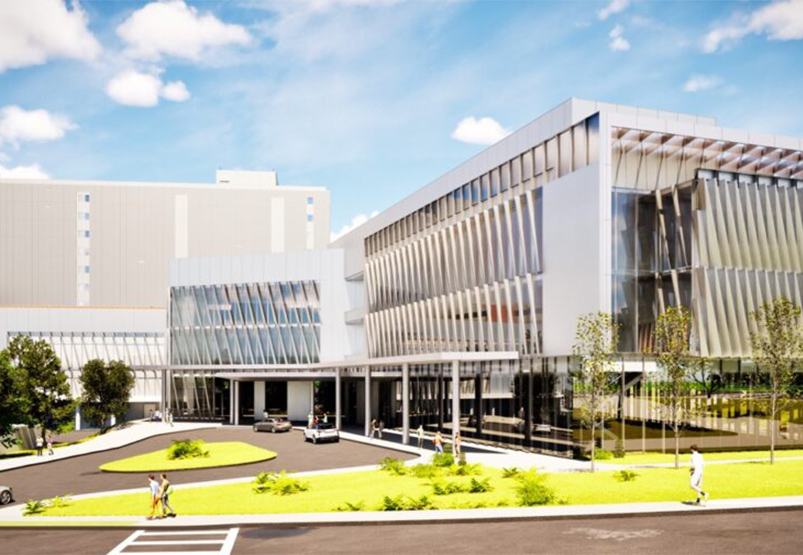
Building envelope renewal protects people and assets, supports energy efficiency, and shapes facility performance on every level. Because the envelope plays such a central role, maintaining and renewing it is one of the most important long-term investments a facility can make.
Durable materials and skilled construction partners are essential, but successful renewal requires more than technical execution. Projects often unfold while buildings remain occupied, introducing challenges that directly affect people: noise, vibrations, loss of daylight, and temporary limits on access. An Agile Design approach addresses these realities by emphasizing discovery, engagement, and adaptability—restoring performance while protecting comfort, safety, and continuity of operations.
The Discovery Phase
Every building envelope renewal project begins with discovery: gathering and analyzing data. This includes historic drawings, specifications, past assessments, and visual observations of existing conditions. Equally important are the insights shared by occupants and facility managers, which reveal patterns technical records cannot. Depending on whether the goal is proactive maintenance or solving a known deficiency, the discovery phase may involve benchmarking performance, or more intensive steps such as probes, test pits, or water testing. Even at this stage, care is taken to keep users informed and disruptions managed.
Engaging Occupants and Maintaining Comfort
True communication goes beyond updates. Occupants are engaged during design through town halls, small group meetings, or surveys to understand how construction will impact their work. These conversations build trust and guide sequencing when spaces must temporarily go offline or work is best scheduled during breaks.
During construction, temporary openings for window or glazing replacement must be detailed to maintain thermal comfort and acoustics. Life safety demands not only compliant egress but also clear signage and wayfinding coordinated with facility staff.
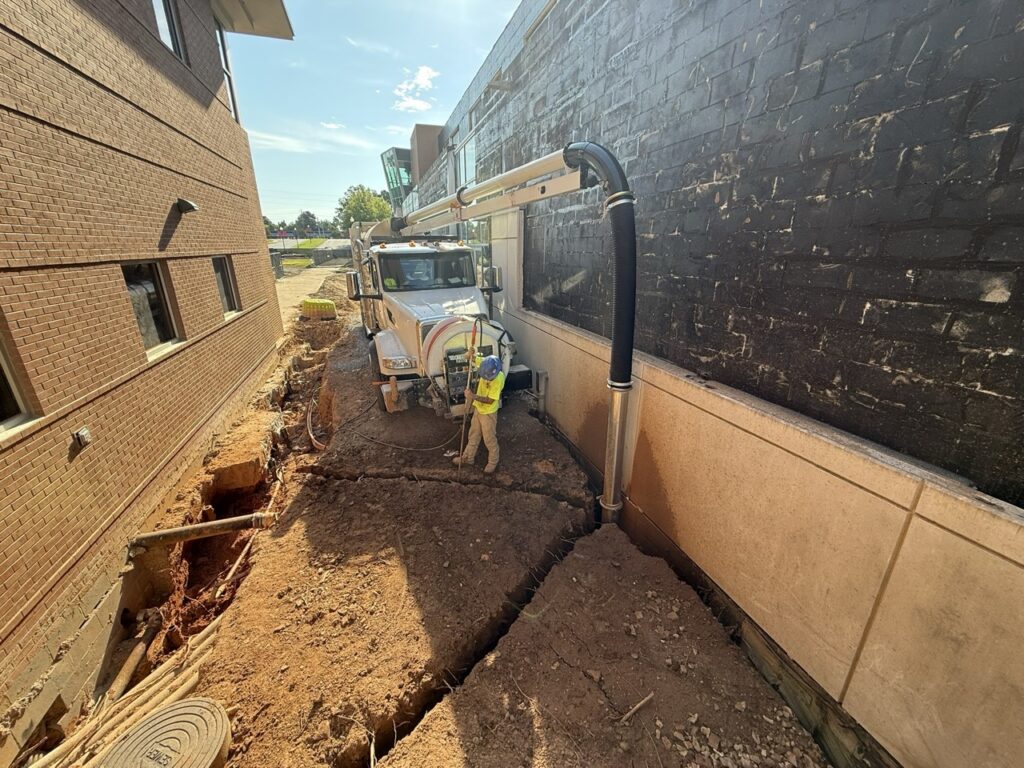
Excavating at the Columbus State University Building Envelope Renewal
Anticipating Code Impacts
Evolving codes often influence renewal more than expected. Added insulation, for example, can alter wall depths or roof curb heights. While technical, these shifts matter to people: they may affect daylight, views, noise, or mechanical downtime. At the same time, higher performance standards improve comfort and reduce energy costs. Anticipating these impacts early avoids field conflicts and ensures compliance delivers meaningful benefits for building users.
From Renewal to Resilience
Conditions uncovered during renewal are rarely predictable. Agile Design thrives in this environment, enabling collaboration, transparent communication, and quick adjustments as challenges emerge.
When approached this way, envelope renewal is more than a repair. It becomes an opportunity to extend the building’s life, improve energy performance, and create safer, more comfortable environments for people—delivering resilience that lasts well beyond construction.
No comments.